Knowledge as rare as the
resources we seek.
Twelve chapters on space resources, law, and markets. Short video lessons, an AI tutor that watches with you, and exams that lead to a certificate.
Learning infrastructure
for serious subjects.
This is not mass-market online education. It is a platform built for intellectually demanding material, the kind that requires focus, rigour and sustained attention.
The new space economy,
in sixty seconds.
A first look at Deep Space Commodities with Dr Tom James: twelve chapters on the law, economics and technology of space, grounded in NASA mission data and the treaties themselves.
An AI tutor that watches with you. Pause on any moment, ask anything, and get an answer grounded in exactly what you just saw.
Grounded in the source material. Every claim is anchored in NASA mission data and primary treaties, taught by a globally recognised authority.
Sign up and request access. We email you an invoice; once it's paid you unlock lifetime access to the full course, your AI tutor conversations, and regular industry briefings.
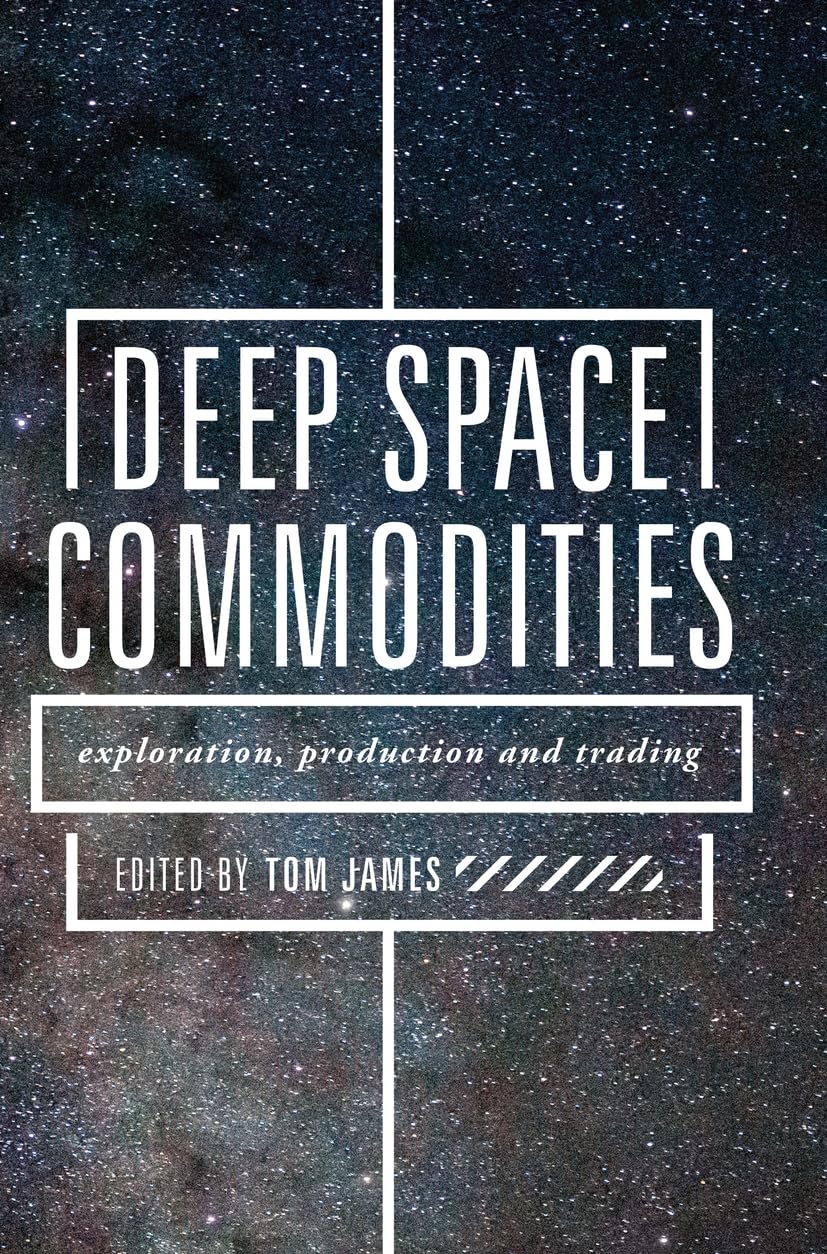

Deep Space Commodities
Exploration, Production & Trading
Space is open for business. With quadrillions of dollars of mineral wealth and frozen water within reach, this course maps the new off-planet economy: resource rights, the commercial and legal frameworks of the USA Space Act, and the practicalities of trading beyond Earth.
- Chapters
- 12
- Lessons
- 73
- Video runtime
- 5h 08m
- Chapter exams
- 12
Self-paced, with lifetime access. Every chapter ends with a timed exam you must pass at 80% before the next one unlocks. See the full syllabus.

CPD accreditation is in progress with The CPD Standards Office, provider 23050. The course is not yet accredited. The CPD Standards Office
Course created by
Dr Tom James
A globally recognised authority in commodity and energy markets with over 30 years of experience. Senior Energy Advisor to the U.S. Department of Defense (TFBSO), founder of Navitas Resources, and author of nine industry publications with Wiley, Palgrave Macmillan and Springer, including the definitive primer on the off-planet economy.
Written by Tom. Delivered by a synthetic presenter.
Every word spoken in all 73 lessons is Tom's, or the named contributing author's for that chapter. The presenter saying it is generated rather than filmed — the same presenter throughout, which is what lets us correct a lesson in days when a treaty moves or a figure is superseded, instead of booking a studio and hoping nothing changes for a year. It is not Tom's face, and we are not going to pretend it is. How we use AI.
Artwork by Nicky Gayle of nickygayleartist.com
The numbers behind the
next frontier.
A new space race led by private capital is already underway. The stakes, and the rewards, are extraordinary, drawing in both institutional investors and individual professionals who want to understand the economy taking shape beyond Earth.
$1.8T
Projected value of the global space economy by 2035
$630B
Estimated size of the space economy in 2023
Quadrillions
Estimated mineral wealth within reach in near-Earth objects
2015
The U.S. Space Act that opened commercial off-planet resources
Figures as widely reported by the World Economic Forum, McKinsey and industry sources.
Artwork by Nicky Gayle of nickygayleartist.com
Built for institutional learning
Structured Curriculum
Courses organized by discipline and depth. Navigate complex material through deliberate sequencing and clear learning pathways.
Contextual Intelligence
An AI tutor grounded in the lesson you are watching. Pause, ask a question, and get an answer tied to that moment in the transcript.
Progress Tracking
Monitor completion and engagement across the library. Build a record of serious professional development activity.
Searchable Transcripts
Every lesson includes a full transcript. Search content, navigate by timestamp, reference key concepts efficiently.
Learning infrastructure for serious subjects
This is not mass-market online education. It is a platform built for intellectually demanding material, the kind that requires focus, rigour, and sustained attention.
Chapters unlock in sequence. Each lesson has an AI tutor that knows where you are in the video, plus quizzes and a module exam before you move on.
The layout stays quiet so you can focus on the material: law, markets, technology, and the resource economy beyond Earth.
Artwork by Nicky Gayle of nickygayleartist.com
AI where it helps. Humans where it counts.
We use AI in the tutor and in how the platform is built. The course itself is shaped by Dr Tom James: the usable, expert path he wished he had when the off-planet economy was still forming.
Explore Human TouchArtwork by Nicky Gayle of nickygayleartist.com
Artwork by Nicky Gayle of nickygayleartist.com
Before you enrol
The short answers. The longer ones, and anything we have not covered, are on the FAQ page or just write to us.
Who is this course for?
Who is this course for?
Investment professionals, commodity and energy traders, legal and policy teams, corporate strategists, and technical specialists who need a working command of the off-planet economy rather than a general-interest overview. It assumes professional literacy, but no prior background in space science or space law.
How long does it take to complete?
How long does it take to complete?
The videos themselves are just over five hours, across 73 short lessons. Quizzes, the twelve chapter exams, time with the AI tutor, and the industry briefings on the blog sit on top of that. As a working estimate, plan on six to eight weeks if you do two or three hours a week. Access is lifetime, so there is no deadline to work against.
Who teaches it?
Who teaches it?
The course is written by Dr Tom James, author of Deep Space Commodities, the standard professional book on the off-planet resource economy. He has spent over thirty years in commodity and energy markets, served as Senior Energy Advisor to the U.S. Department of Defense, and founded Navitas Resources. Specialist chapters also draw on named contributing authors in law, geopolitics and exploration.
Every word spoken in the lessons is Tom's, or that chapter author's. The presenter on screen is an AI avatar, generated rather than filmed, and it is not Tom's face. We use one consistent presenter across all 73 lessons so a script can be corrected and re-rendered when the facts move, instead of booking a studio and hoping nothing changes for a year. We say this on the Human Touch page because a learner should not have to work it out three lessons in.
Is the certificate accredited or CPDS-recognised?
Is the certificate accredited or CPDS-recognised?
CPD approval is pending with The CPD Standards Office. The course has been submitted and is under assessment. Until they confirm, we do not call it accredited.
You still receive a certificate when you complete all twelve chapters. It is issued by Deep Space Commodities, it carries a public verification link anyone can check, and it comes with an exportable learning record you can submit to your own professional body. Many participants log that as evidence of professional development. Check your own body's self-certification rules to be sure.
How much does it cost?
How much does it cost?
£495 for one lifetime seat. A three-seat pack is £1,425 (£475 per seat). A five-seat pack is £2,225 (£445 per seat). Six or more seats, or a private cohort, is a quote. See pricing for the plans.
How do we buy for a team?
How do we buy for a team?
Choose a plan on the pricing page and request an invoice. Pay by bank transfer. Once it clears, seats are unlocked with lifetime access to every lesson, the AI tutor and industry briefings. For six or more seats, contact us and we will quote.
CPD accreditation is in progress with The CPD Standards Office, provider 23050. The course is not yet accredited. The CPD Standards Office
Begin the course
today.
From £495 lifetime, with team packs for 3 or 5 seats. Choose a plan, get an invoice, pay by bank transfer, then unlock every lesson, the AI tutor, and industry updates.